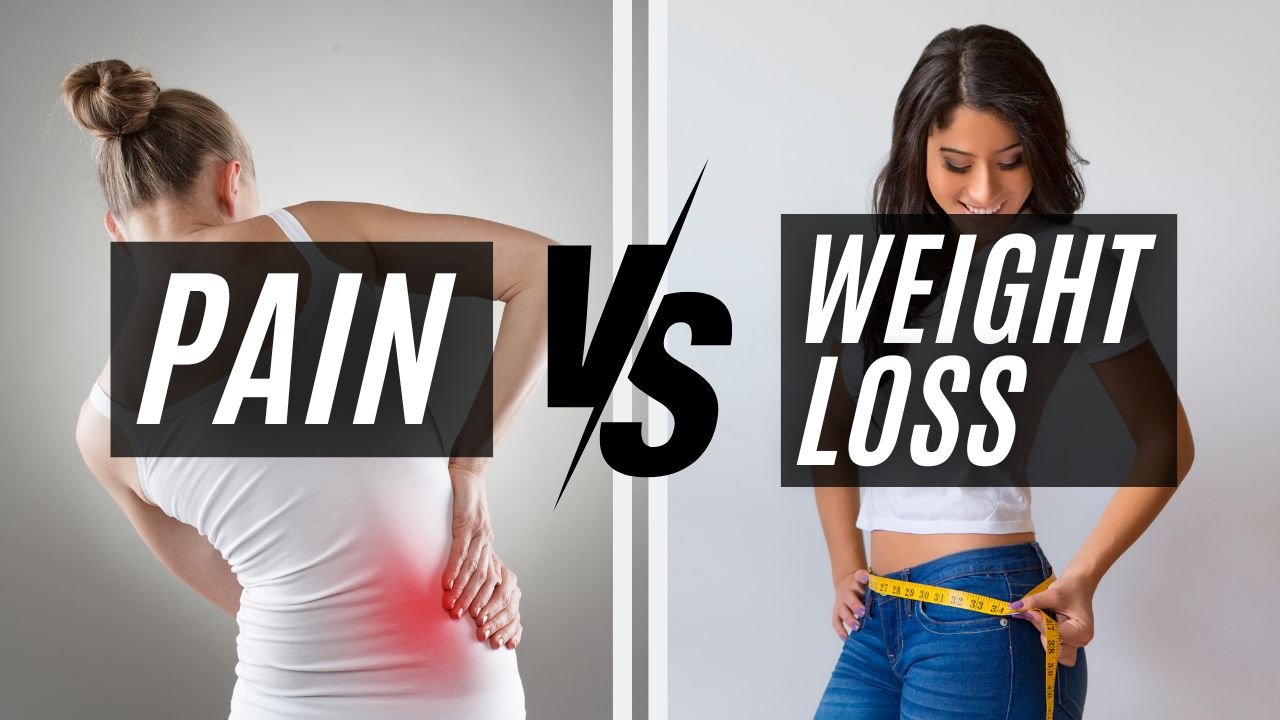
When comparing the likelihood of someone reacting to pain problem-solving versus weight loss problem-solving, it often depends on the individual’s immediate concerns and personal priorities. However, in general:
Table of Contents
Pain Problem Solving: Higher Likelihood of Immediate Reaction
Why?
- Urgency and Immediate Discomfort: Pain, especially if it’s chronic or severe, is a pressing issue that directly affects a person’s quality of life. People are typically more motivated to take action when they are in discomfort or suffering, as pain can be debilitating and can’t easily be ignored.
- Desire for Quick Relief: Those experiencing pain often seek immediate solutions to alleviate their discomfort. This urgency can make them more receptive to offers that promise quick or effective relief.
- Impact on Daily Life: Pain can limit daily activities, work performance, and overall enjoyment of life. The desire to regain normalcy and functionality makes individuals more likely to engage with solutions addressing pain.
Weight Loss Problem Solving: Lower Likelihood of Immediate Reaction (But with Potential for Strong Engagement)
Why?
- Long-Term Goal: Weight loss is often perceived as a longer-term goal, requiring sustained effort and lifestyle changes. This can make it seem less urgent compared to the immediate need to relieve pain.
- Multiple Motivations: While many people want to lose weight, the motivation can vary widely—some might be driven by health concerns, others by aesthetics, and some by societal pressures. This variation can influence how quickly someone reacts to weight loss solutions.
- Delayed Gratification: The results from weight loss efforts typically take time to manifest, which can lead to procrastination or hesitation in taking immediate action.
Factors That Can Influence Reaction Likelihood
- Personal Priorities: If an individual’s weight is causing significant health issues or affecting their self-esteem, they might prioritize weight loss more highly.
- Communication of Benefits: How you frame the solution also matters. If weight loss is positioned not just for aesthetics but also for reducing pain (e.g., joint pain relief through weight loss), it could increase the likelihood of a reaction.
- Emotional Impact: Emotional factors such as frustration, embarrassment, or low self-esteem related to weight may drive strong reactions, particularly if the messaging resonates with their feelings.
Conclusion
In most cases, pain problem-solving is likely to trigger a more immediate and stronger reaction because of the urgency and discomfort associated with pain. However, if weight loss is linked to pain relief (e.g., reducing joint pain by losing weight), it can also prompt significant interest. Understanding the lead’s specific pain points (whether physical pain or emotional distress related to weight) will help tailor the approach to maximize engagement.