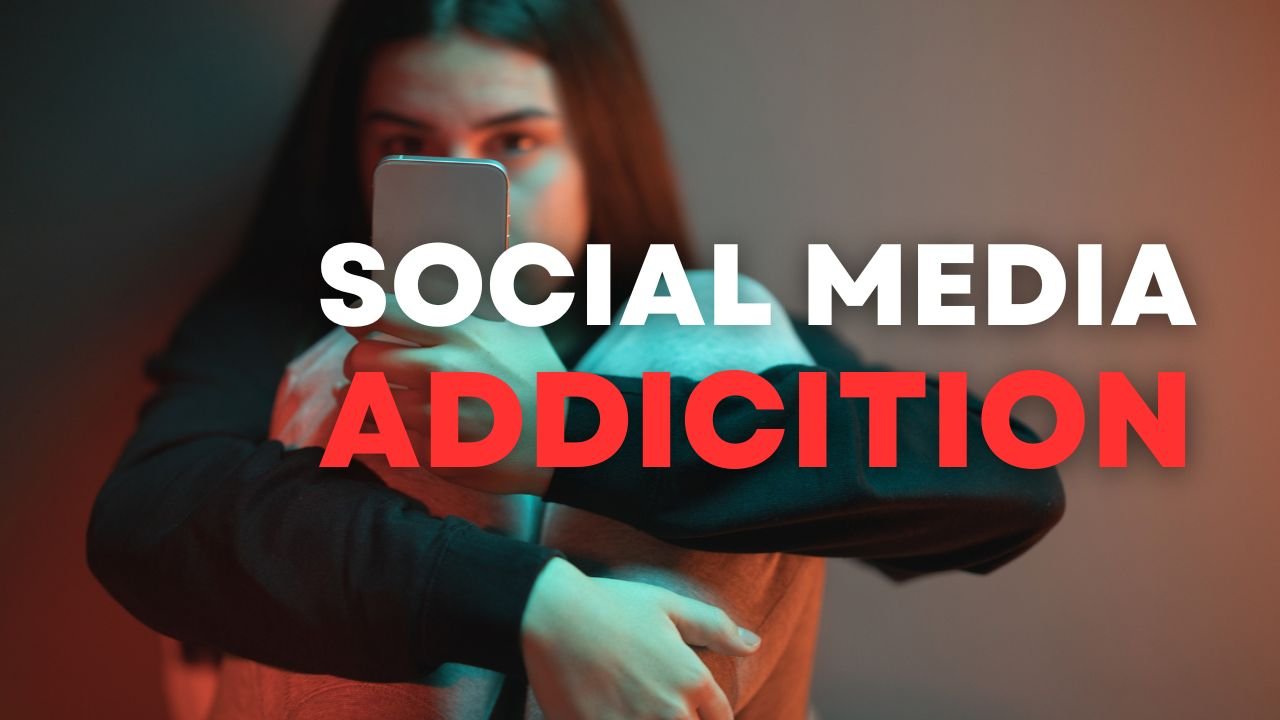
In today’s digital age, social media platforms like Instagram and TikTok have become integral to the lives of the new generation. While these platforms offer opportunities for connection, creativity, and self-expression, they come with a host of consequences that can negatively impact both health and psychological well-being. Let’s explore the effects of excessive social media use, the dangers it poses, and practical ways to avoid falling into its addictive trap.
Table of Contents
The Allure of Social Media
The new generation is growing up in an era where digital presence often matters more than real-life experiences. Social media offers:
- Instant Gratification: Likes, comments, and shares provide a dopamine rush that keeps users coming back for more.
- A Curated Reality: Users present the best version of their lives, creating a false sense of perfection and achievement.
- Entertainment on Demand: Platforms like TikTok make it easy to get lost in an endless stream of short, engaging videos.
While these aspects can be entertaining and even inspiring, the dark side of social media often lurks beneath the surface.
Health Consequences of Excessive Social Media Use
- Physical Health Decline
- Sleep Disturbances: Prolonged screen time, especially at night, disrupts the production of melatonin, leading to poor sleep quality.
- Postural Issues: Constantly looking down at a phone screen can cause “text neck,” leading to chronic back and neck pain.
- Sedentary Lifestyle: Hours spent scrolling reduce physical activity, contributing to obesity and related health issues.
- Eye Strain
- Excessive screen time can cause digital eye strain, leading to dryness, irritation, and blurred vision.
Psychological Consequences
- Addiction Social media platforms are designed to be addictive. The continuous scroll, endless notifications, and fear of missing out (FOMO) keep users glued to their screens.
- Mental Health Issues
- Anxiety and Depression: Constant comparison to others’ curated lives can lead to feelings of inadequacy and low self-esteem.
- Loneliness: Paradoxically, excessive online interaction can reduce meaningful in-person relationships, increasing feelings of isolation.
- Attention Span Reduction: The bite-sized content trains the brain to crave quick, superficial information, making it harder to focus on tasks that require deep thought.
Why It’s Dangerous
- Reduced Real-World Engagement: Instead of experiencing life firsthand, users often experience it through the lens of their phone cameras.
- Impact on Development: For younger users, social media can hinder emotional development by limiting face-to-face interactions.
- Misinformation: The viral nature of these platforms can spread misinformation rapidly, influencing opinions and decisions without fact-checking.
How to Avoid the Social Media Trap
- Set Time Limits
- Use apps or built-in phone settings to restrict daily social media usage.
- Dedicate specific times for social media, such as during lunch breaks or after completing work.
- Prioritize Real-Life Connections
- Schedule regular meet-ups with friends and family.
- Engage in hobbies that don’t involve screens, such as painting, hiking, or reading.
- Practice Mindful Use
- Unfollow accounts that trigger negative emotions.
- Follow pages and influencers that promote positivity, education, or well-being.
- Digital Detox
- Take a break from social media for a day, a week, or even a month to reconnect with real-life experiences.
- Replace Screen Time with Physical Activity
- Join a gym, take a yoga class, or go for daily walks to boost physical and mental health.
The Future Consequences
If social media addiction continues unchecked, the long-term effects could include a generation with higher rates of mental health disorders, reduced social skills, and physical health challenges. However, by taking proactive steps now, we can help the new generation strike a balance between the digital and real world.
Final Thoughts
Social media isn’t inherently bad—it’s how we use it that determines its impact. By cultivating mindful habits and encouraging real-world engagement, we can harness the benefits of these platforms without falling victim to their downsides. Let’s teach the new generation to lift their eyes from the small phone screens and see the beauty of the world around them. Life is meant to be lived, not scrolled.